Your Pruning Shears Should Still Be Sharp After Two Seasons. Most Aren't. These Are.
The typical garden shears failure pattern is well-documented: the blades dull after one heavy season, the spring weakens so the handles don't spring back cleanly, or the bypass mechanism starts binding mid-cut on anything thicker than a thin flower stem. By the second spring you're crushing stems instead of cutting them — and crushed stems invite disease. These pruning shears have 1,952 verified buyers at 4.6 stars. That rating held after real seasons of deadheading, harvesting, and cutting back perennials. Here's the honest breakdown.
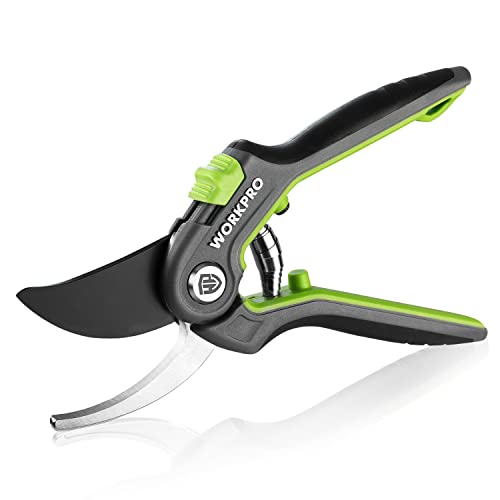
Garden Pruning Shears — Bypass Blade, Spring Return
Is This Page For You?
- ✓You deadhead roses, dahlias, or perennials weekly — the spring-loaded bypass blade handles high-repetition cutting without hand fatigue. The spring return means you're not manually opening the blade after every cut. After 200 deadheads in a morning, that matters.
- ✓You cut vegetable harvests, herb stems, or flower bouquets — a bypass blade slices cleanly instead of crushing. A crushed stem on a tomato plant heals poorly and opens the tissue to fungal disease. Bypass shears are the only correct tool for live plant cutting.
- ✓You cut branches up to 3/4" in diameter — within this range, the bypass blade handles clean through-cuts on woody stems. Beyond 3/4" you need loppers. These are the right tool for everything smaller.
- ✗You need to cut thick hardwood branches 1"+ — get loppers for that work. Pruning shears are the wrong tool and will damage the blade.
What 1,952 Verified Buyers Actually Said
The dominant recurring pattern in the review set is buyers returning after a full season to report that the blade is still cutting cleanly. Not "still okay" — still cutting. This is the differentiating data point. Most cheap pruning shears dull within one heavy season. The 4.6-star rating is sustained by long-term buyers, not just first-week impressions.
Spring failure — the blade stops returning open after cutting — is the most common failure mode for budget pruning shears. Reviewers specifically call out the spring durability here. Multiple buyers report using these through two or three seasons without spring failure, which is the benchmark for a reliable garden tool.
Multiple reviewers with smaller hands note that the handle size is comfortable for extended deadheading sessions. This matters because many pruning shears are sized for larger hands by default. The lock-close mechanism is also consistently praised for being easy to engage one-handed.
Several reviewers note that the blade benefits from a wipe-down with rubbing alcohol after cutting sappy plants (roses, certain perennials). This is true of any bypass pruner — sap buildup eventually affects cutting smoothness. It's a maintenance note, not a defect.
Specs at a Glance
| Blade type | Bypass (slicing action, not crushing) |
| Max cutting diameter | Up to 3/4" |
| Spring mechanism | Spring-loaded auto-return |
| Safety lock | Lock-close position included |
| Blade material | Hardened stainless steel |
| Verified review count | 1,952 |
| Star rating | 4.6 stars |
Bypass vs. Anvil Pruners — Which Do You Need?
The type of blade matters more than the brand. Here's the honest comparison:
| Feature | Bypass Pruners (this product) | Anvil Pruners |
|---|---|---|
| Cutting action | Two blades pass like scissors — clean slice | One blade presses onto flat anvil — crushing action |
| Best for live plants? | ✓ Yes — clean cut seals quickly | ✗ No — crushed tissue heals slowly, disease risk |
| Best for dead wood? | Works, but overkill | ✓ Yes — dead tissue, crushing doesn't matter |
| Deadheading & harvesting? | ✓ Ideal — precise, repeatable cuts | ✗ Not recommended |
| Hand fatigue | Lower (spring return reduces effort per cut) | Can be higher on tough cuts |
| Verdict | Right tool for 95% of garden cutting tasks | Right tool for clearing dead brush only |
If you grow roses, vegetables, herbs, or perennials — bypass pruners are the only correct choice. These are bypass pruners.
How to Keep Your Pruning Shears Sharp for Years
Wipe with rubbing alcohol after sappy plants: Rose stems, dahlias, and certain perennials leave sticky sap residue that builds up on the blade and eventually makes cuts rough. A 30-second wipe with rubbing alcohol dissolves sap and prevents buildup.
Dry completely before storing: The enemy of any steel blade is moisture sitting on the surface. After washing, let the blades air-dry or wipe them dry before closing and storing. A light coat of oil (3-in-1, or any mineral oil) before winter storage extends blade life significantly.
Sharpen once per season with a diamond file: Even quality bypass blades benefit from a light sharpening pass before the heavy-use season starts. A basic diamond-coated sharpener works on the bevel edge of a bypass blade — 10–15 strokes at the original bevel angle is all it takes to restore a cutting edge.
Clean the pivot screw annually: The pivot screw can accumulate soil and corrosion over time, making the blade action stiff. A drop of oil on the pivot and a few open-close cycles keeps the action smooth.
Frequently Asked Questions
What is the difference between bypass and anvil pruning shears?↓
Bypass pruning shears have two blades that pass each other like scissors, making a clean slicing cut. Anvil pruning shears have one sharp blade that presses onto a flat metal anvil, which can crush the stem. For live plants — roses, vegetables, perennials — bypass shears are always the correct choice because crushed tissue heals slowly and is vulnerable to disease. Anvil shears are better suited for cutting dead wood.
What size stems can pruning shears cut?↓
Most quality pruning shears handle stems up to 3/4 inch (about 19mm) in diameter. For anything larger — woody branches over 1 inch — you need loppers or a pruning saw. Forcing pruning shears on branches too thick for them damages the blade and risks handle slippage.
How do I keep pruning shears sharp?↓
Wipe the blade with rubbing alcohol after cutting sappy plants to prevent residue buildup. Dry blades completely before storage and apply a light coat of mineral oil before winter. Sharpen once per season with a diamond-coated file using 10–15 strokes along the bevel angle. Oil the pivot screw annually to keep the action smooth.
Are spring-loaded pruning shears worth it?↓
Yes — especially for repetitive tasks like deadheading roses or harvesting vegetables. The spring mechanism opens the blade automatically after each cut, so you never manually reopen the handles. After 200+ cuts in a morning, that significantly reduces hand fatigue. Look for shears with a spring that survives multiple seasons of use.
What are the best pruning shears for small hands?↓
Look for lightweight bypass pruning shears with ergonomic handle sizing. Many standard models are built for larger hands. The WORKPRO bypass pruning shears featured here are frequently praised by reviewers with smaller hands for comfort during extended deadheading sessions. A spring-loaded return also reduces the grip force required per cut.
Related Garden Tool Reviews
Get our best picks in your inbox
No spam. Just honest Amazon reviews, once a week.
Unsubscribe any time. We'll never sell your address.